tongariro alpine crossing, new zealand
One of the most beautiful places we had the opportunity to explore in New Zealand was Tongariro National Park, UNESCO World Heritage site and fourth oldest national park in the world. The park’s active volcanoes — Tongariro, Ngauruhoe, and Ruapehu — create a landscape that feels both otherworldly and alive. One of the best ways to see this park is to complete the Tonagriro Alpine Crossing, considered one of the best day hikes in the world. My brother and I were determined to complete this 12 mile (19.4 km) trek through volcanic terrain, which offered some of the most stunning and varied landscapes I’ve ever seen. Here’s a look at my experience, including the key points along the trail.

We woke up early to catch the shuttle to the trailhead, aiming to get a head start before sunrise. By 6 a.m., we were hiking, with the sun just starting to rise behind us, lighting up the sky in soft pinks and purples.
After crossing the South Crater, the trail becomes significantly steeper as you approach the Devil’s Staircase. This part of the hike earns its name due to the steep and relentless climb. It’s a physically demanding section of the trek, but the views as you ascend are breathtaking, with panoramic views of the surrounding volcanic terrain. This section of the trail reminded me of Asgard’s Pass on the Enchantments Day Hike in Leavenworth, Washington.
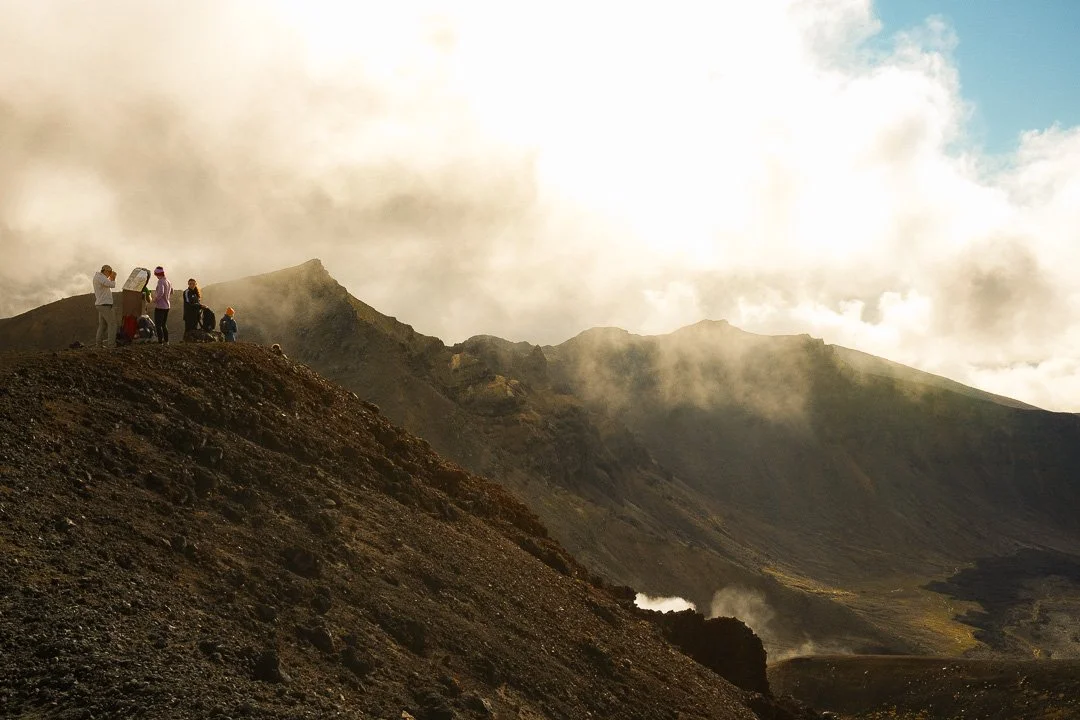
The Red Crater is the highest point of the Tongariro Alpine Crossing at 1,886 meters (6,188 feet). After the steep climb up the Devil’s Staircase, the trail leads you to this stunning volcanic crater. It’s named for its distinctive red-colored rocks, caused by the high iron content in the volcanic soil. This is the spot where the most dramatic views of the trek can be found, and it’s a great place to take a break and soak in the scenery.
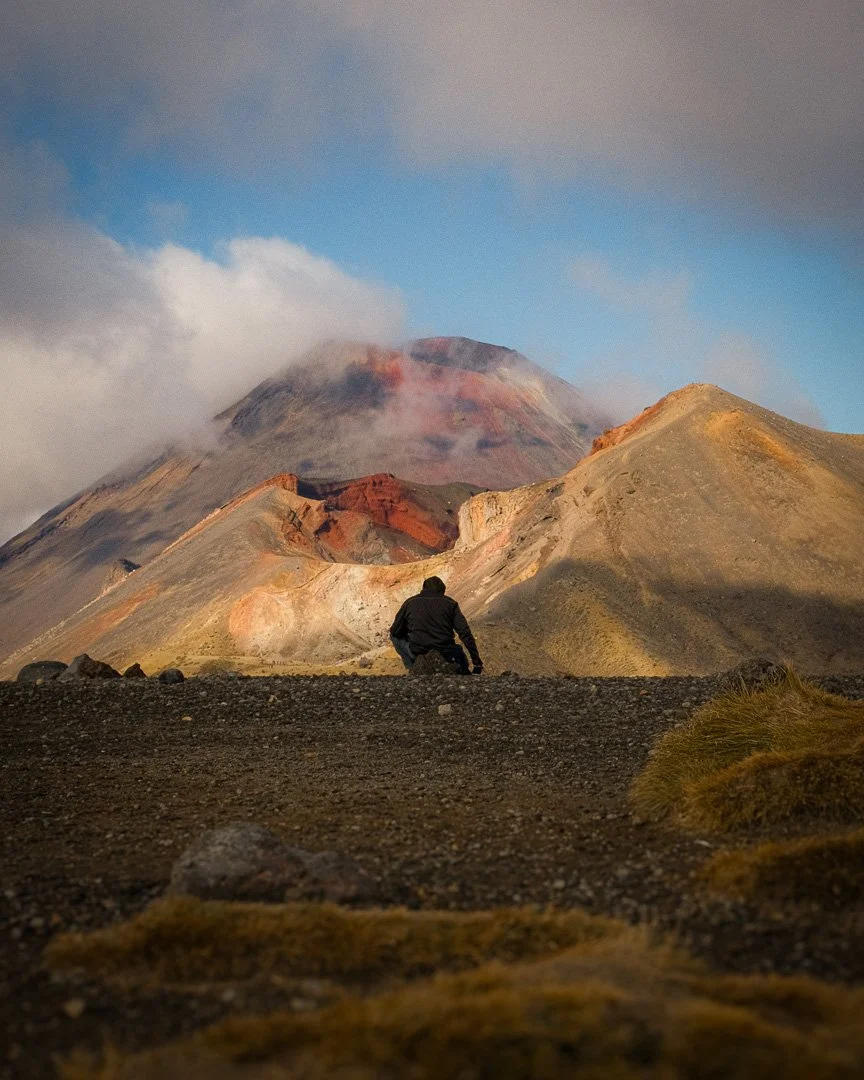
In Māori tradition, Tongariro is not just a mountain — it is a living ancestor, with its own life force (mauri) and spiritual authority (mana). The volcanic peaks are deeply sacred, and their eruptions, steam, and rumblings are seen as expressions of a living being. When hiking here, it's important to tread with respect, stay on marked trails, and honor the cultural significance of this powerful landscape.
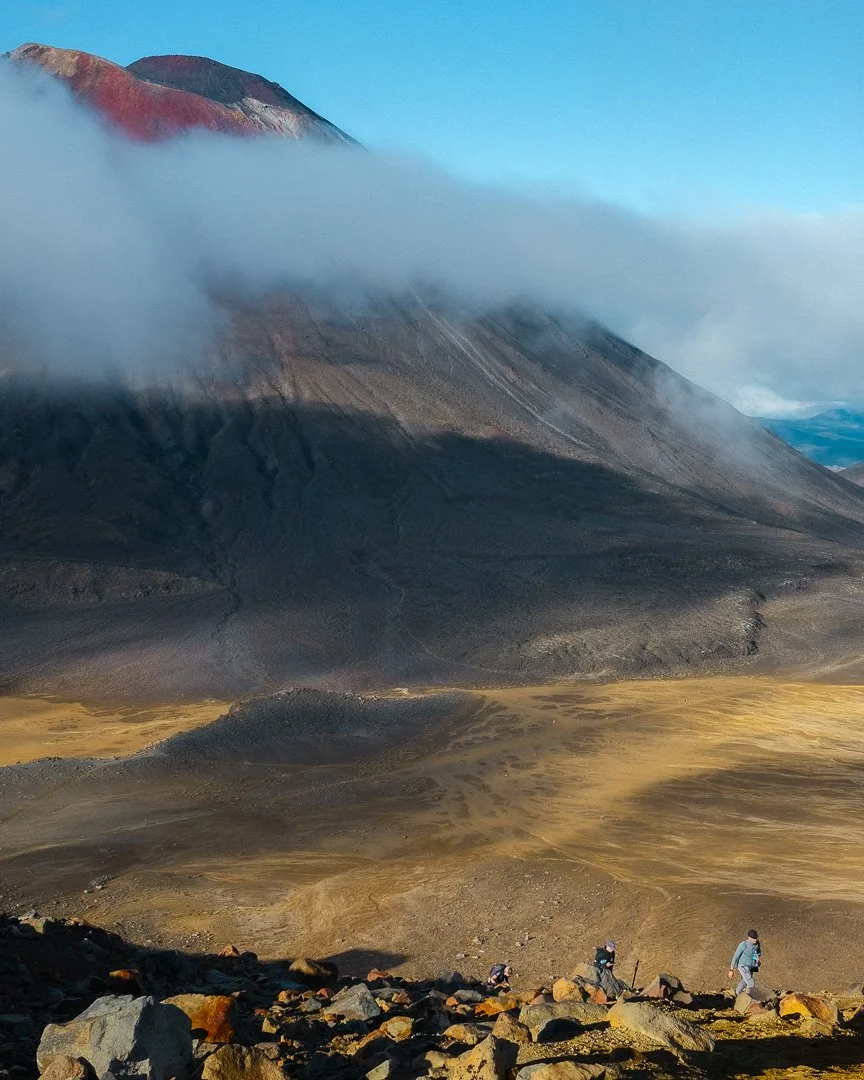
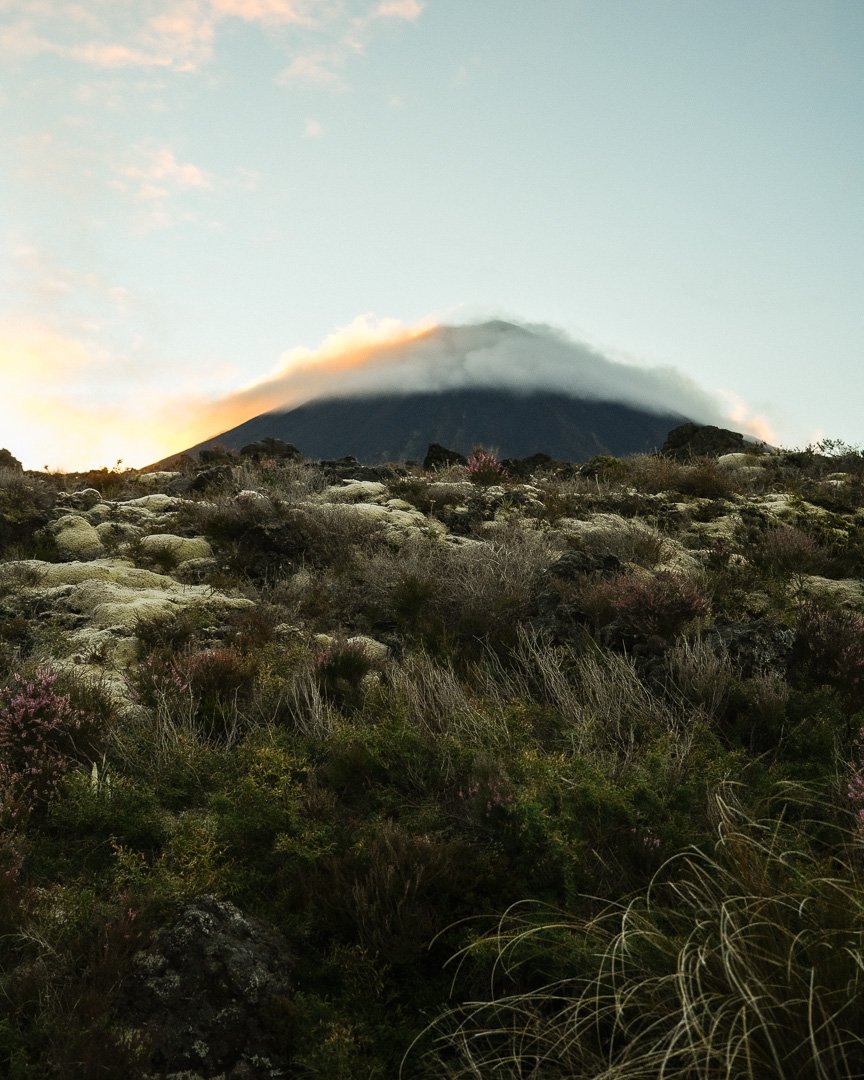
From the Red Crater, Mount Ngauruhoe, also known as Mount Doom from The Lord of the Rings, is ever-present. Though it’s not part of the main trail, its towering shape dominates the landscape as you hike. At this point, my brother needed some words of encouragement (though, if I’m being honest, it was really me), quietly muttering, “We’ve got to keep going, Mr. Frodo.”
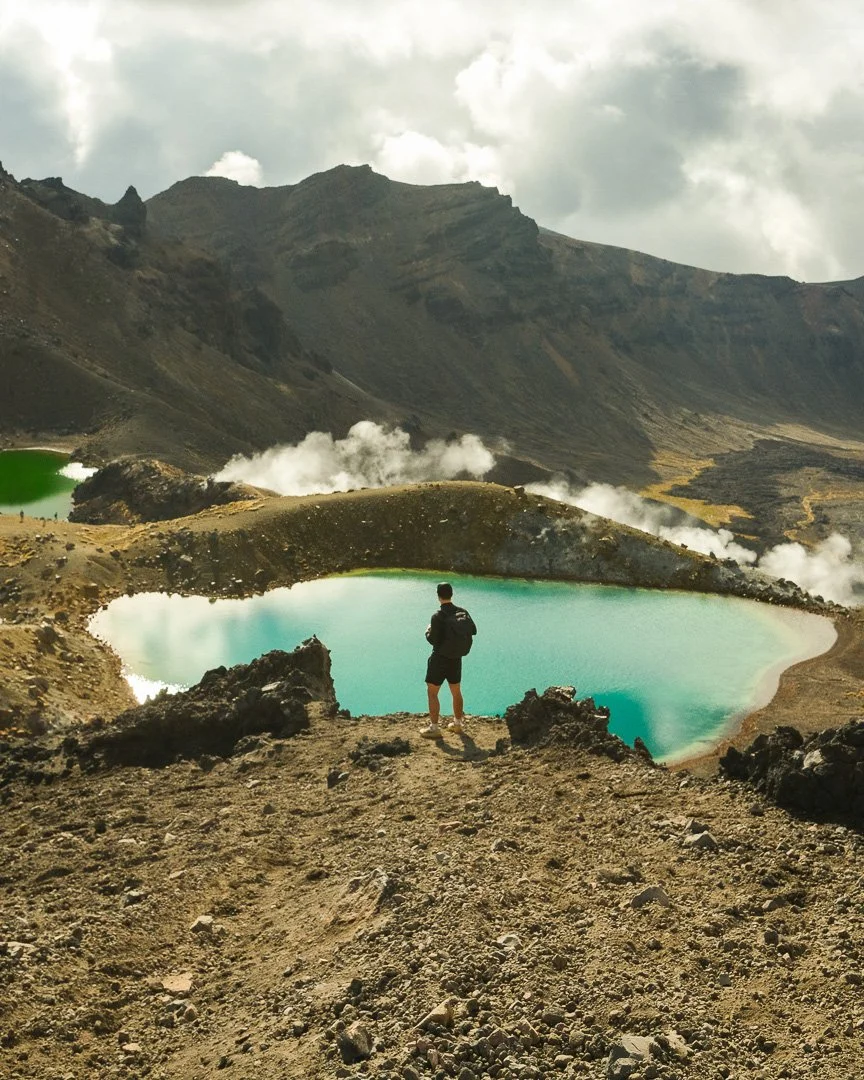
The Turquoise Lake offers a calm, deep blue color, created by its lower mineral concentration and clearer water. Unlike the acidic Emerald Lake, this serene blue hue results from the lake's cleaner, less sulfur-rich water.

Just a short distance away, the Emerald Lake stands out with its vibrant green color, caused by a high concentration of sulfur and other minerals in the water, a direct result of the volcanic activity in the area. The two lakes’ contrasting colors—one blue and the other green—highlight the diverse geothermal processes at play in this stunning part of Tongariro National Park. Both lakes provide a beautiful and tranquil end to the hike before the final stretch.
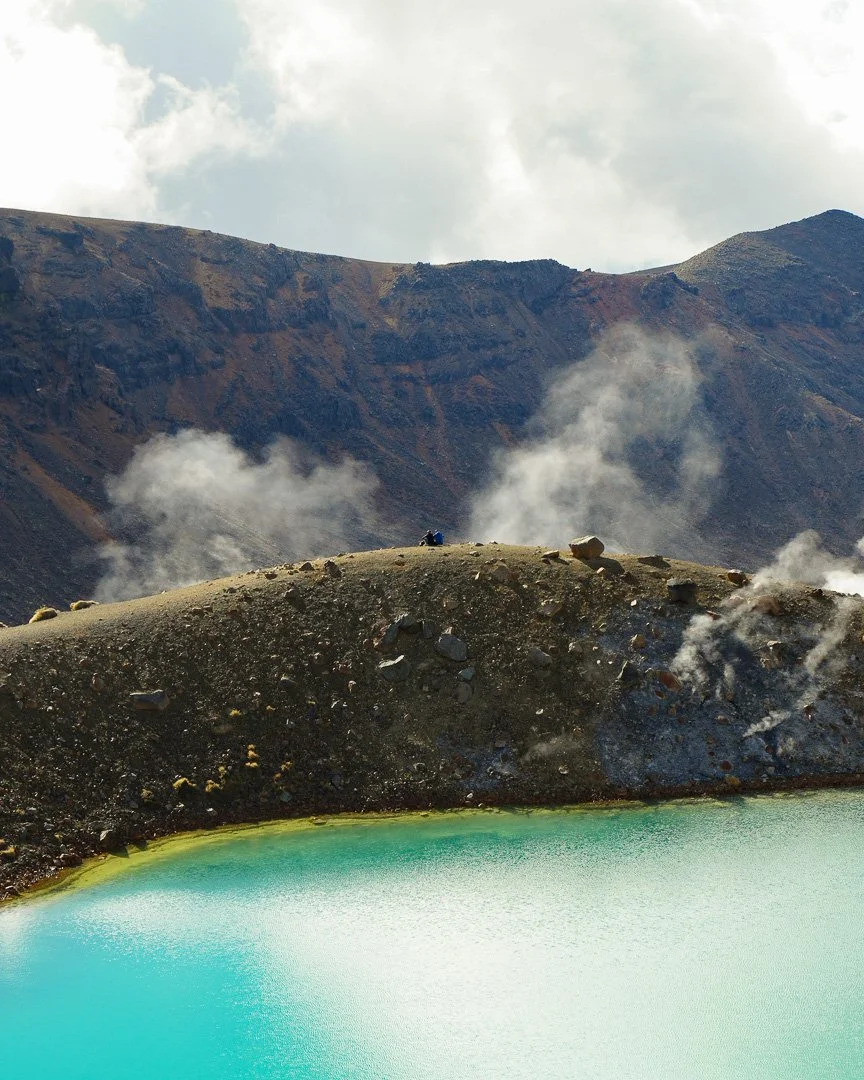
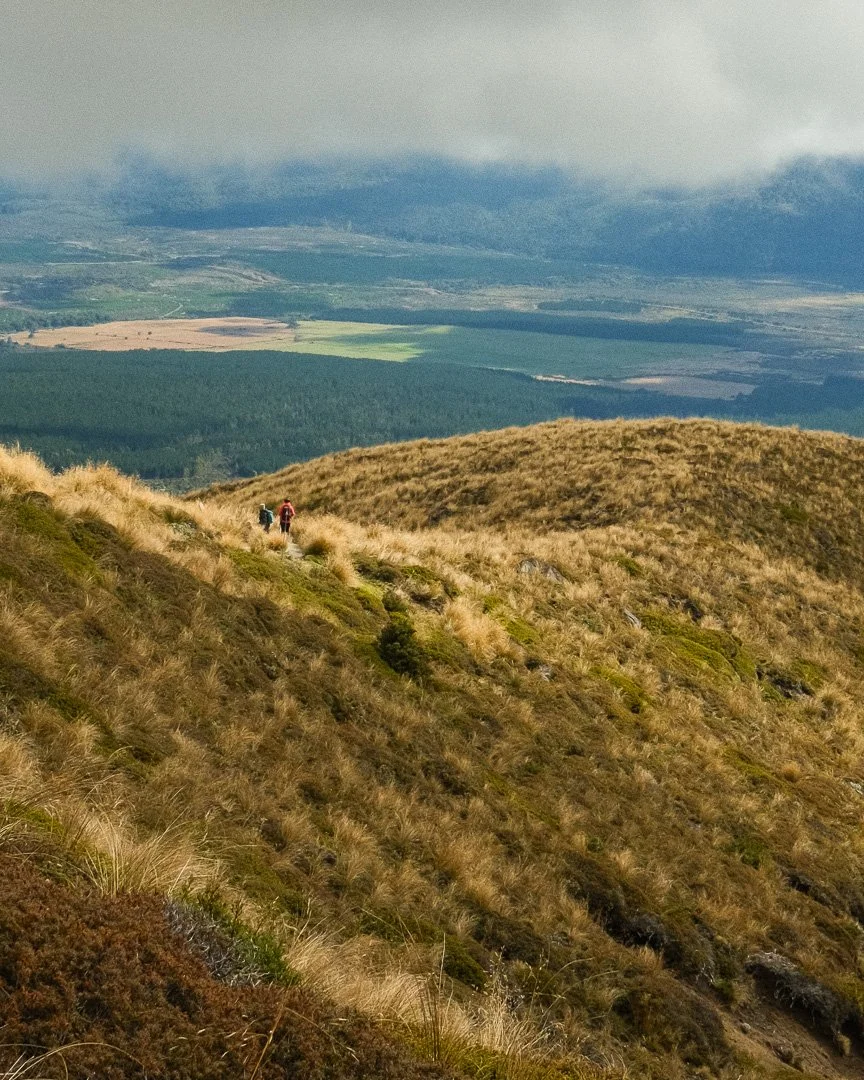
The final stretch of the Tongariro Alpine Crossing is a long, gradual descent, offering a welcome break from the challenging climbs earlier in the hike. Surprisingly easy on the knees, this section allows you to fully absorb the stunning scenery from the other side of the mountain. As you make your way down, the landscape shifts, and the views become softer, with rolling hills and expansive valleys.
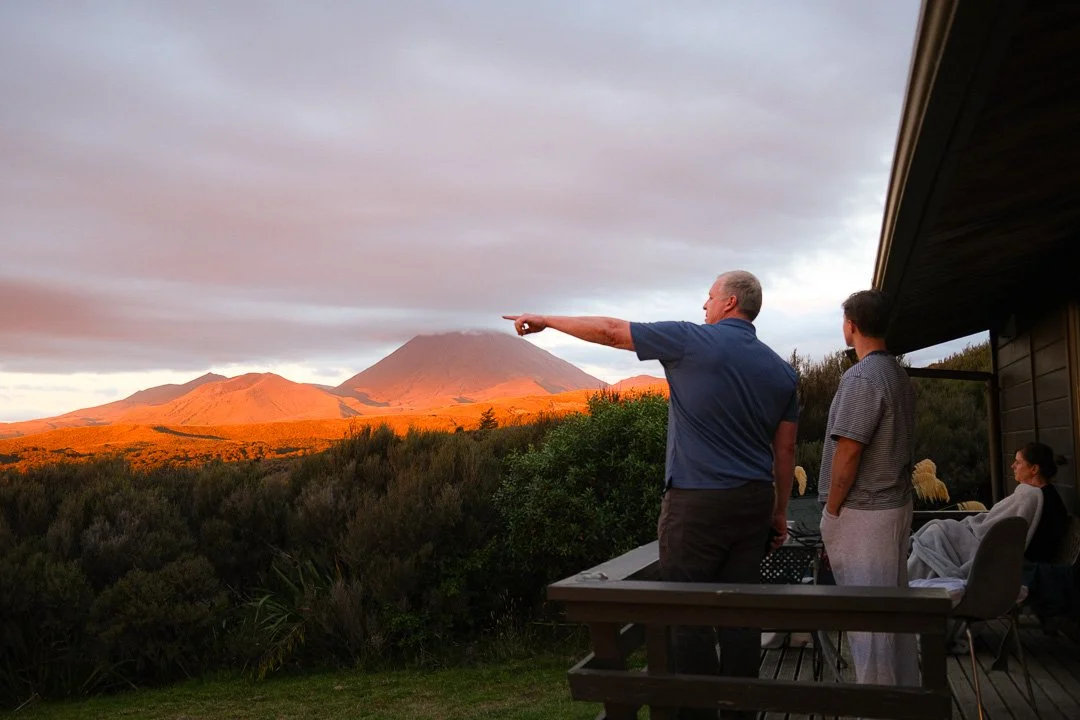
Exhausted, we caught a shuttle back to our cabin and enjoyed watching a beautiful orange sunset glow over the volcanoes we had just trekked a few hours earlier.