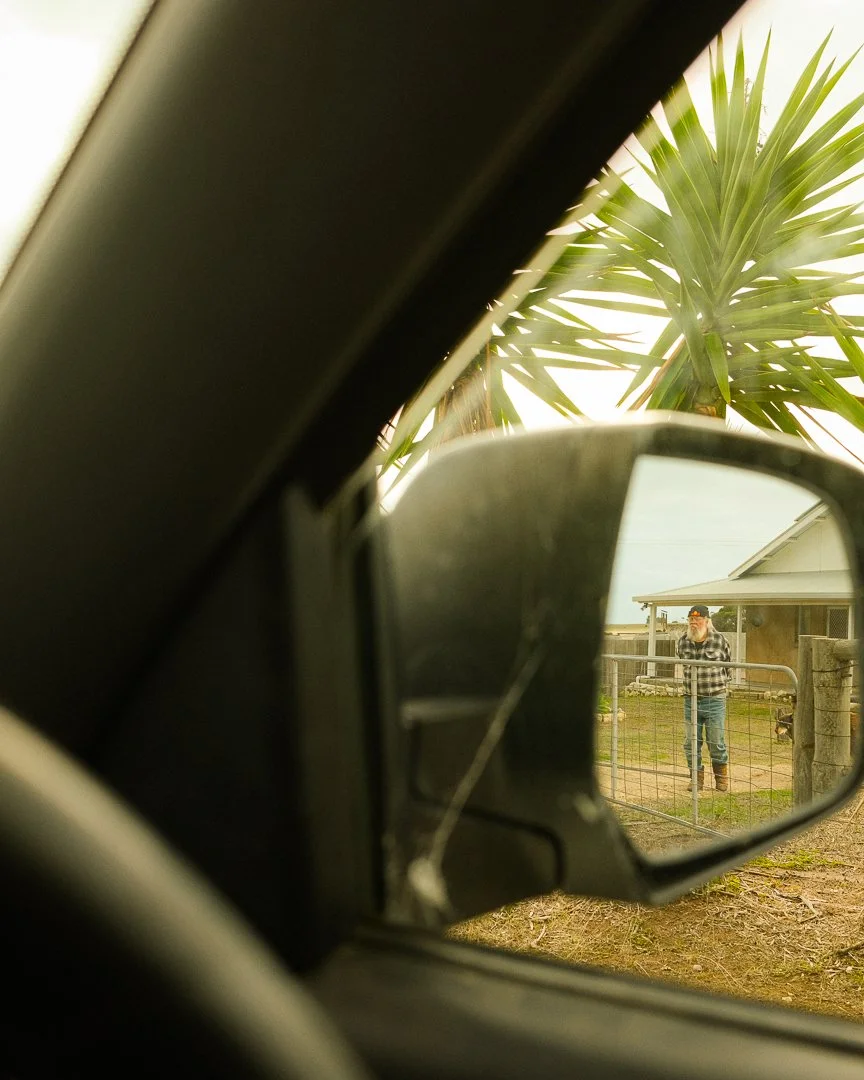
A Bushwalker’s Story
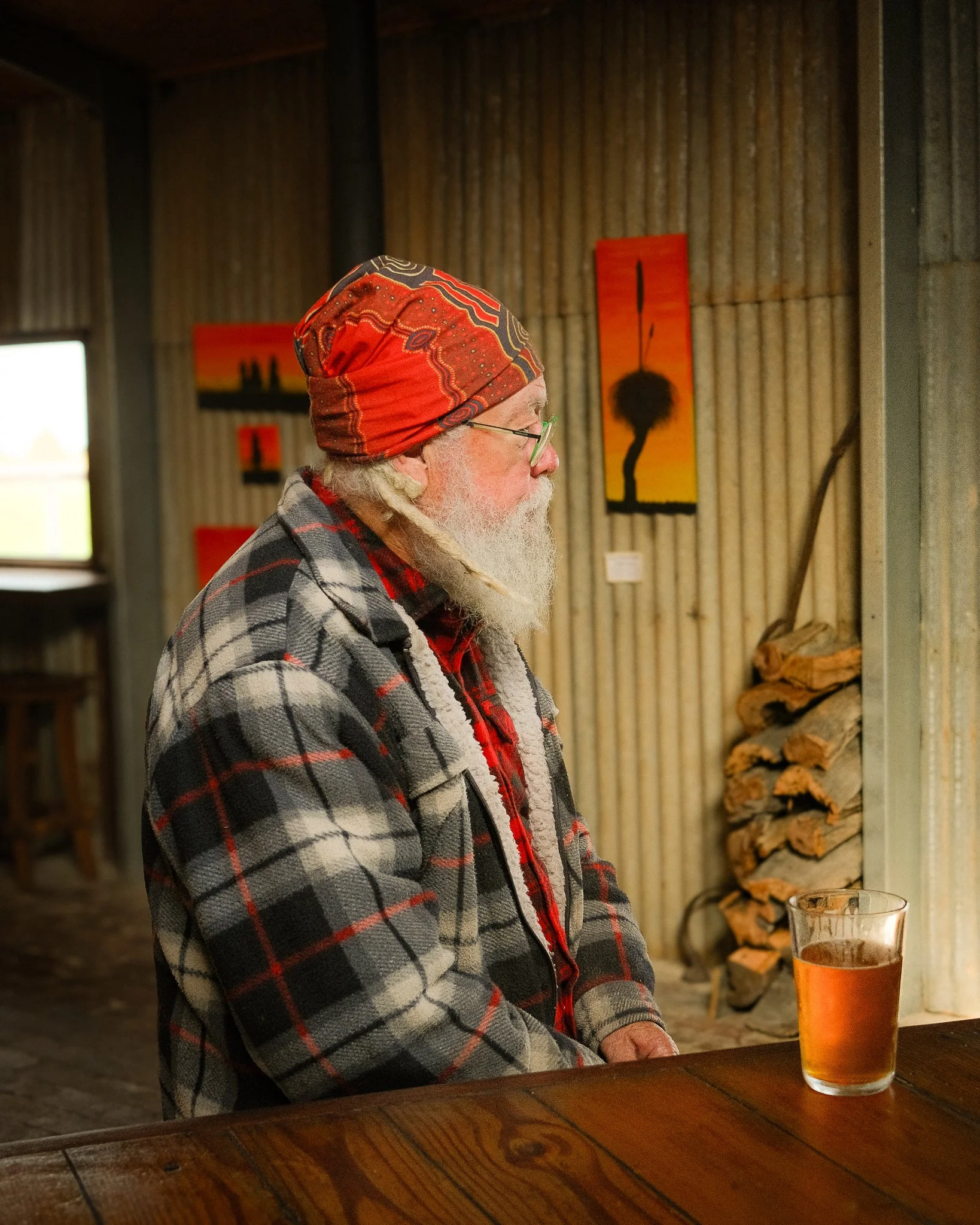
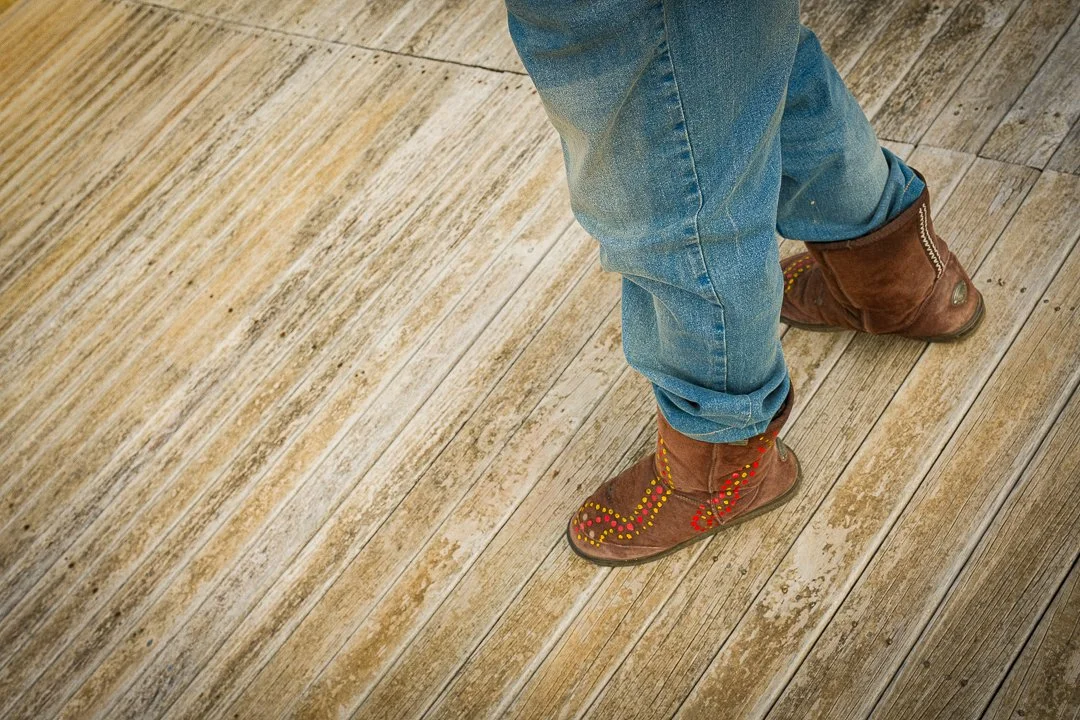
One afternoon, as I was working at the brewery on Kangaroo Island, an old man comes in with a DIY paint-splattered t-shirt, bright green-rimmed glasses, and UGG boots with aboriginal dot patterns painted on them. You don’t see a ton of artsy, hip, fashion-savvy old men like that on Kangaroo Island. He ordered an Amber Ale and sat up at the bar and we struck up a conversation. We got into stories of his life, and I quickly realized that Tony has a lot of them to tell. Tony has spent the majority of his life in Australia’s remote and deserted wilderness. For the normal person, the Australian bush is viewed as this desolate landscape where quite literally everything is trying to kill you (ie. the heat, dehydration, breaking down, getting lost, venomous snakes, spiders, scorpions, serial killers, etc.… just to name a few.) And for people like Tony, the outback is his safe space, his escape from the realities of “normal life.” So today, I bring you ladies and gentleman, the life stories of a man who’s third wife infamously looked him in the eye and said to him that “the bush is your mistress and I cannot compete.” Enjoy :)
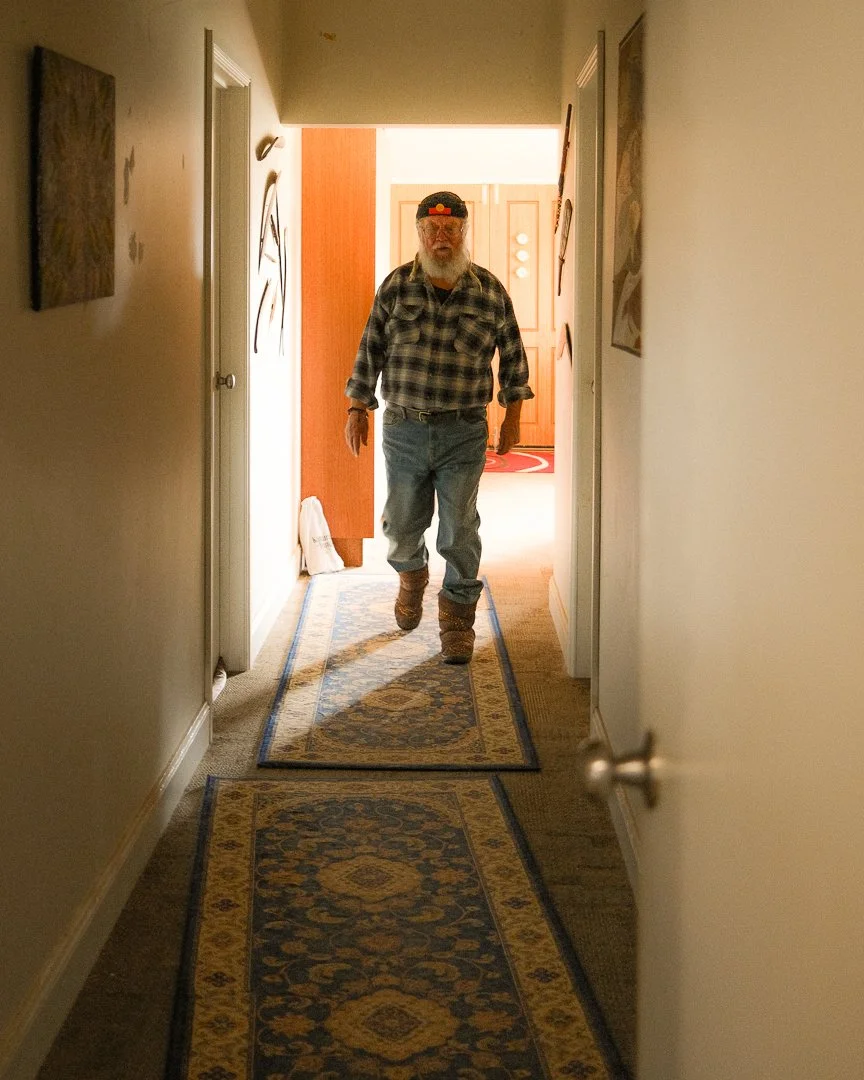
walking it off
Tony’s story began in Stirling, a quiet town tucked into the Adelaide Hills of South Australia. As a kid, he had a thing for the bush—roaming wild, chasing adventure, and, occasionally, shooting and skinning rats for sport. But there was one caveat: he was scared of the dark. “I used to love anytime I could get out in the country, but I had a real problem: I was terrified of the dark. The number of times that I’d hear something, and have to look underneath the bed…”
At the age of sixteen, Tony was determined not to let his fear of the dark consume him. He thought—what better way to go about getting over one’s fear of the dark than to just walk from Adelaide to Melbourne, through the bush, alone, in the night?
“I had to force myself to do it,” he says. “Nights alone in the wilderness. Just me and whatever was out there.”
It worked. Fear turned into freedom. Now, Tony thinks nothing of being hundreds of kilometers from the nearest person. “That doesn’t scare me. Actually, it feels safer. Animals won’t hurt you. Snakes slither off. Sure, you might get nipped by a scorpion or centipede while you’re sleeping on the ground—but really, the bush is fine. It’s people you’ve got to watch out for.”
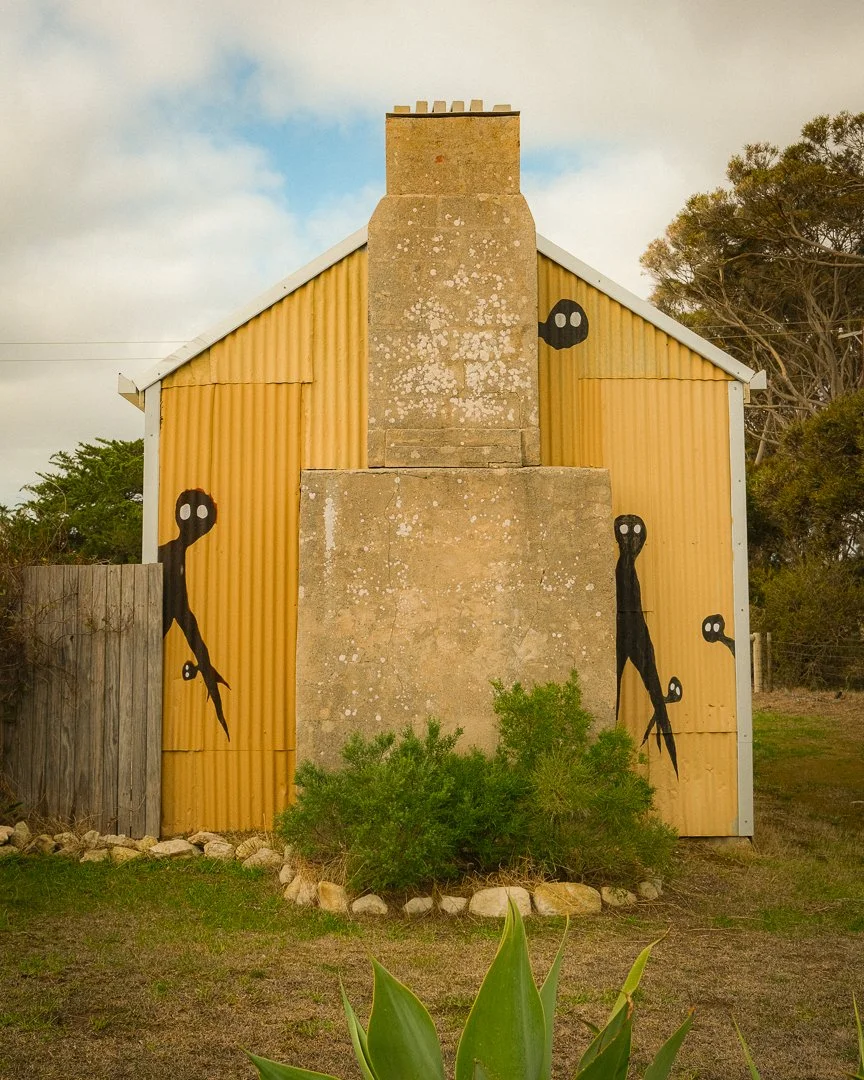
blood in the soil
In the early part of his career, Tony worked a series of jobs for the South Australian government. One of the most unusual sent him deep into the outback, tasked with monitoring elections in remote Aboriginal communities—some so isolated they barely appeared on maps.
“When you arrive, to the village” Tony says, “you don’t just walk in. You wait. You sit cross-legged outside of the village in the heat, on the red dirt, until someone gives you permission to enter.” Respect, not authority, governs the bush.
Tony spent years visiting these communities, always feeling a strange sense of belonging he couldn’t quite explain. It wasn’t until decades later—at his father’s deathbed—that the pieces finally came together.
“I asked him, ‘Why do I love the bush so much? Why do I feel so at ease with Aboriginal people?’” Tony recalls. And that’s when his father told him—we are Aboriginal. My grandmother was Aboriginal.”
Tony had never known. His father had kept it hidden, ashamed of the discrimination he’d grown up with. “Back then,” Tony says, “being Aboriginal was something you were taught to be ashamed of. They were seen as dirty, unwanted. So he kept it buried.”
After that conversation, Tony began digging. He learned that his grandmother, Ruby—a name given to her by white settlers—was Anangu, part of the Maralinga Tjarutja people of the western desert. In 1956, the British government detonated two atomic bombs at Maralinga, near her homeland of Oak Valley. Ruby and her people were forcibly removed, loaded into trucks, and dumped near Ceduna—ripped from country, culture, and kin.
The word Anangu simply means “people.” Today, Tony says it with reverence. Anangu Pitjantjatjara Yankunytjatjara. These aren’t just languages or territories—they’re his bloodlines. The bush had been speaking to him his whole life, and he finally found the reason why.
where the wild things were
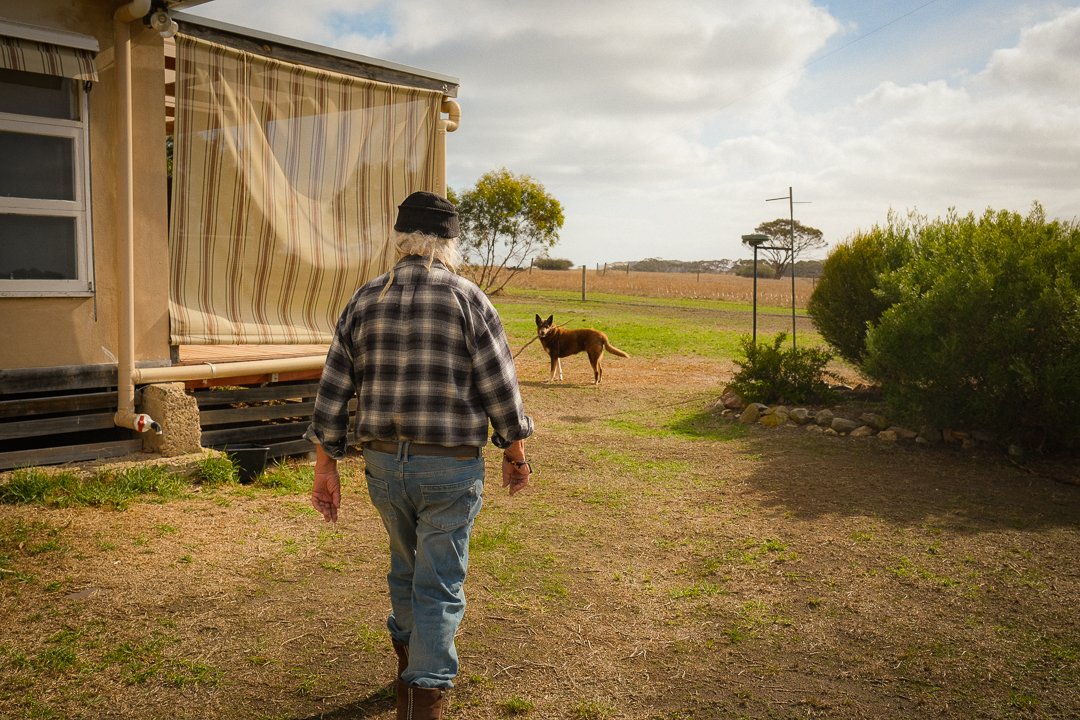
The next chapter of Tony’s life was spent largely in solitude, out in the bush, as an animal sniper.
Australia is a land unlike any other—ancient, delicate, and contains some of the oldest continuous ecological histories on the planet. But when invasive species like cats, rabbits, wild horses, sheep, and camels were introduced by European settlers, this fragile ecosystem was thrown into chaos. These animals were brought in, often without thought, to a continent that wasn’t made for them—turning vast stretches of wilderness into battlegrounds where native plants and animals struggled to survive.
Feral cats are one of the continent’s deadliest invasive predators. Cats first arrived in Australia with European sailors in the 17th and 18th centuries, hitching rides on ships as rat-catchers. But it was after colonization, in the 1800s, that they were deliberately released into the wild. Farmers and settlers saw them as a convenient solution to the rabbit and rat plagues they themselves had caused.
But with no natural predators and a boundless buffet of small, unprotected animals, cats exploded across the continent. Today, they inhabit 99.8% of mainland Australia and most offshore islands. An estimated 2 to 6 million feral cats roam the wild at any given time, and together, they kill more than a billion native animals every year.
Small mammals, reptiles, nesting birds—many of which evolved without ever encountering a predator like a cat—were wiped out before they even knew to be afraid.
Tony was hired to go where most people wouldn’t—to the far edges of South Australia, into the scrublands and deserts, to track and kill feral cats as part of broader conservation efforts. His work was sanctioned by scientists, backed by ecological research, and necessary.
He’d work for weeks upon weeks, even months at a time, alone in places like the Gammon Ranges. Out there, surrounded by ancient country and star-filled silence, he’d do what had to be done, staying up all throughout the night, killing ferile animals.
And every time he pulled the trigger, he did it not out of hate—but out of hope—“this land doesn’t get second chances.”
Tony’s job wasn’t just about removing predators. The animals that Tony shot were all collected for data and scientists to be used to find ways to better tackle the problem. Because the end goal was never just to shoot cats—it was to control them. To give native animals a chance to recover.
For Tony, the work was physical, emotional, and deeply personal. He was trying to protect something precious. Something wild. Something that, if we’re not careful, we’ll only ever see in museum glass and history books.
Because once the wild things are gone, they don’t come back.
a trade with death
Tony’s spent decades wandering the outback—alone, armed, and hours from help. He’s faced blistering heat, vehicle breakdowns, isolation, and venomous creatures most Australians will never come close to in their lifetimes.
One day, Tony was out tracking goats, rifle slung in his hands, walking quietly through red dirt country, eyes scanning the sand for prints. Out there, the footprints speak louder than anything else. They tell you who’s been around—and how long ago.
That’s when he saw it. A big, black tiger snake. Coiled and already raised—head up, body tensed, eyes locked on his every move. One of the most venomous snakes in the world. A bite out here was a death sentence.
“No one knew where I was,” Tony said. “I’d left my car four k’s away. No radio, no phone. If it bit me, I was buggered. That’s it.”
He stood still.
The snake didn’t strike.
Seconds stretched out into something else—time thick with tension. Then, slowly, the snake lowered its head. Tony took one step back. Then another.
He raised his rifle, ready to shoot. And then he didn’t fire.
“I thought… no. You just let me off. I’m going to let you off.”
They parted ways in silence.
“That’s the closest I’ve come to death in the outback,” he said. Sometimes, the bush lets you live. That day, it did. And Tony returned the favor.
clearing the soul
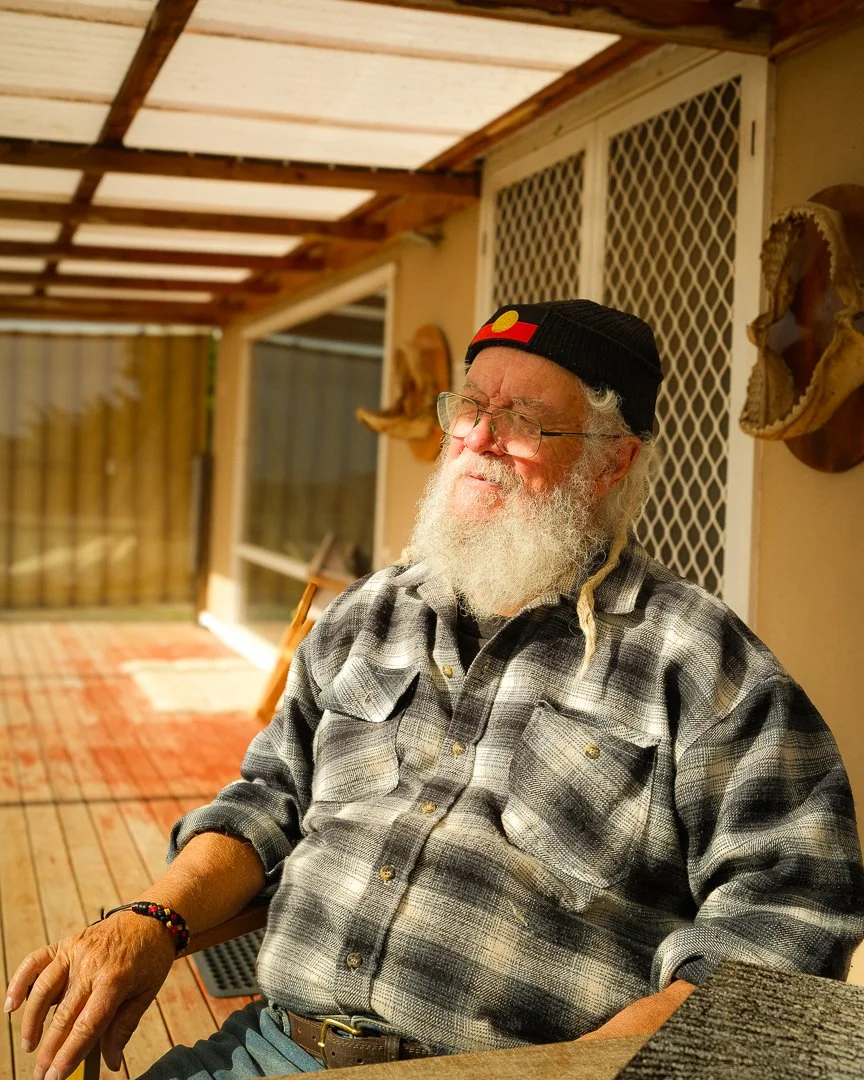
I had to ask Tony—what’ like being out there, alone in the bush for days, sometimes weeks at a time?
He didn’t hesitate.“It’s beautiful. I have to go. I’m overdue now, actually. I call it clearing my soul,” he said, his voice low and certain. “That’s what it does—it strips everything back. The further out you go, it’s like all the crap of the world starts falling off you.”
He paused, searching for the right words.
“You know when you’re absolutely filthy, and you finally take a long shower—and afterward you feel lighter, like you’ve just shed a whole layer of weight? That’s what the bush is. It’s a cleansing. A reset. You don’t think about much out there. Just water. Food. And not much else. It gives you your spirit back.”
For Tony, the silence isn’t empty—it’s sacred. A space where the mind quiets, and the land speaks.
the artist
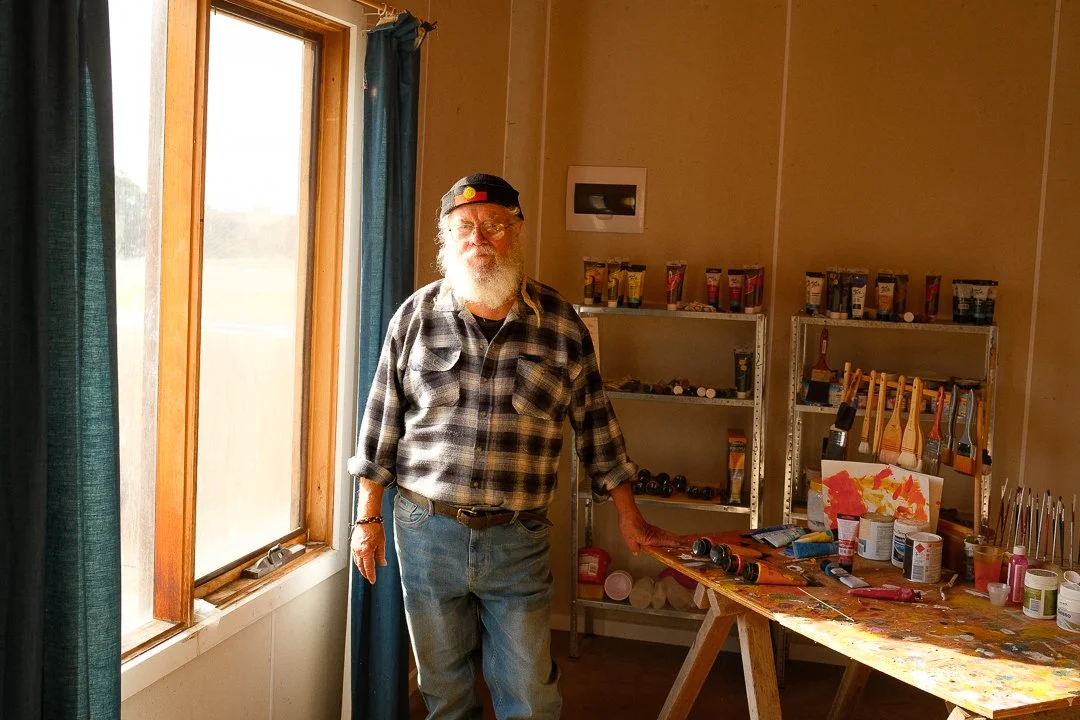
These days, instead of trekking through the bush, Tony paints it. His home is filled with pieces of art in various mediums he has collected from his travels abroad and within Australia. Canvases and brushes sit in an entire studio dedicated to his art—a space he generously showed me around.
His work draws heavily from Aboriginal-inspired patterns and themes, echoing the landscapes and stories of the land he knows so intimately. Tony paints from memory and feeling, not always with a clear end in mind.
Sometimes he finishes a piece only to let it sit for weeks, then paints right over it with something entirely new. I don’t know if that comes from the same minimalist mindset of a man who loved to live for months on end in the outback. Or maybe just Tony letting the process matter more than the product. Either way, there’s a quiet reverence in it.
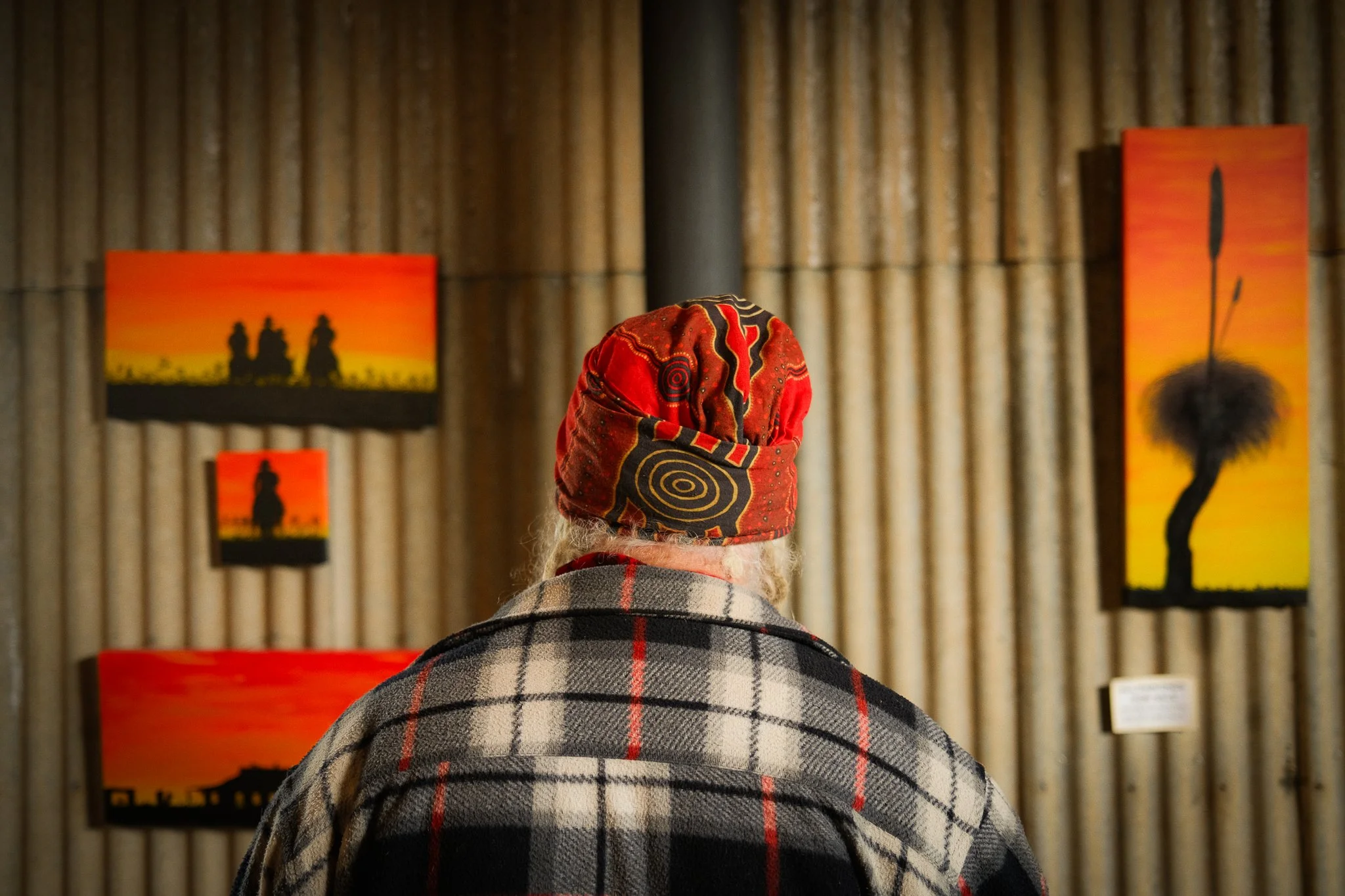
His paintings now hang on the walls of the brewery—vivid scenes of burnt orange outback sunsets, silhouettes of ranches swallowed by dust, and wide, star-streaked skies. They aren’t just images of the bush. They’re a way back to it. A way for Tony to keep walking that land, even if only in paint.
Tony sells his paintings at the brewery, quietly offering pieces of his past to anyone willing to look a little longer.
on fear
Tony wisely told me, “If you don’t face fear, it just gets bigger and bigger.”
To me, the Australian outback has always felt like a scary place—a harsh, unforgiving landscape where everything is trying to kill you. The heat. The thirst. The snakes. The silence. But to Tony, the bush is none of that. It’s where he feels most at peace. A place to retreat, to survive, to simply be—without noise, without restraint, without distraction.
Hearing his perspective inspires me to see the bush differently. Not just as something to be feared, but as something to be understood. Respected. Even welcomed. I’ll carry that shift with me on my own journeys into the land, approaching it with less fear—and a deeper sense of reverence.